Тепловое зрение, ночное зрение и многоспектральное зрение
Новости 2026-08-01
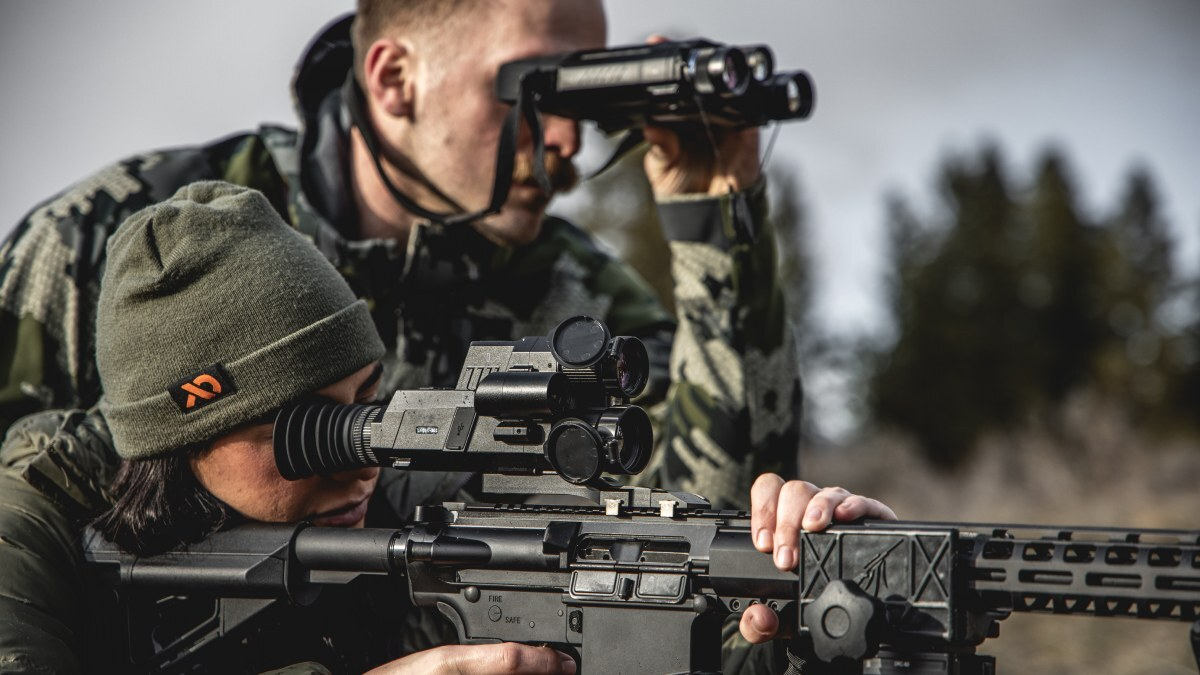
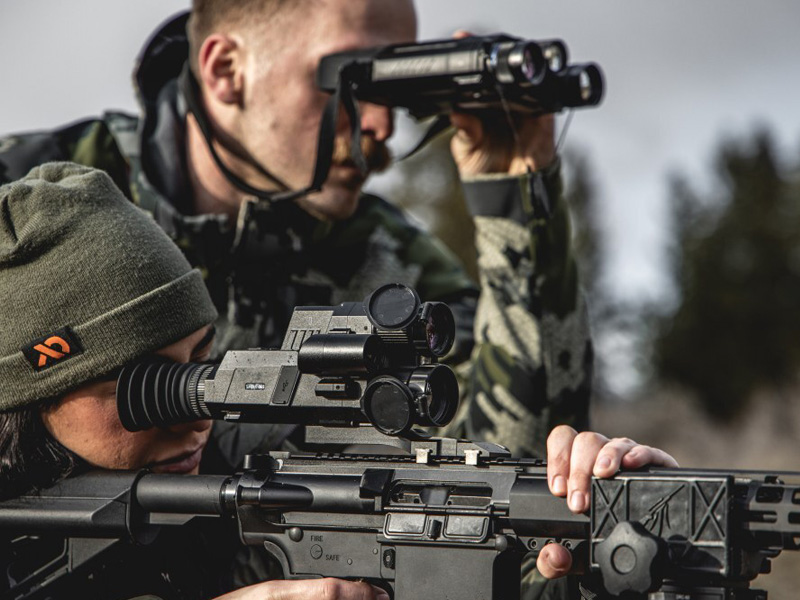
Практичный и понятный гид по выбору подходящего оборудования для охоты, сканирования и стрельбы.
Если вы выбираете оптику, и все характеристики кажутся одинаковыми – обнаружение, идентификация, четкость, дальность – эта статья для вас. Тепловизоры, ночное видение и мультиспектральные приборы – это разные инструменты, которые эффективны в разных условиях. Выберите подходящий, и вы почувствуете, что ваш прибор значительно улучшился. Выбор неподходящего прибора может привести к проблемам на протяжении всего сезона.
Вот как они работают, в чем их сильные стороны, и как выбрать наиболее подходящий вариант.
Быстрые определения
Тепловой (инфракрасный / тепловой)
Обнаруживает различия в температуре. Телые объекты выделяются на фоне более холодных.
Ночное зрение (цифровое или аналоговое)
Усиливает доступный свет (лунный свет, свет звезд, окружающий свет). Вы видите более естественное изображение мира.
Мультиспектральный
Объединяет функции тепловизора и ночного видения (или объединяет их в программном обеспечении), что позволяет видеть тепло и детали одновременно.
Ответ за 30 секунд
- Если вам нужно максимально быстрое обнаружение цели, используйте функцию “Тепловизор”.
- Если вы хотите получить наиболее естественное изображение и детали, используйте ночное видение.
- Если вы хотите получить лучшее из двух миров и готовы потратить больше, выбирайте Multispectral.
В чём каждая технология наиболее эффективна?
Тепловой: лучший для обнаружения и быстрого сканирования
Тепловизор – лучший инструмент для быстрого обнаружения животных или людей, особенно в густой растительности, на неровной местности или в полной темноте. Тепловые сигнатуры сложно скрыть. Поэтому тепловизор обычно является первым «серьезным» улучшением, которое люди устанавливают.
Thermal выигрывает, когда:
- Вы сканируете большие территории и хотите, чтобы цели были хорошо заметны.
- Полная темнота, пасмурно или отсутствие луны.
- Фон выглядит неаккуратно (размазанные краски, тени, плотная текстура).
- Вы охотитесь на кабанов/диких собак или на скорость реакции – это важно.
Проблемы с отоплением:
- Необходимо точно передать мелкие детали (точный вид, рога, механизм, особенности лица)
- Условия окружающей среды снижают контраст (туман, высокая влажность, теплая земля на закате)
- Вы смотрите через стекло (в основном, это стеклоблочные конструкции, которые обладают хорошими теплоизоляционными свойствами).
Ночное видение: отличное качество изображения и естественный вид.
Ночное видение позволяет получить более традиционный обзор – формы, текстуры, детали рельефа, заборы, ветви и то, на что вы действительно смотрите. Часто это упрощает навигацию и обнаружение более мелких визуальных ориентиров.
Ночное видение оказывается преимуществом, когда:
- Необходимы детали для идентификации (характеристики животных, ландшафт, объекты)
- Вы переезжаете и перемещаетесь (пешеходно, медленно, при установке).
- Наличие достаточного естественного освещения (луна, звезды, инфракрасный осветитель).
- Вы хотите, чтобы рабочий процесс был более похож на работу в течение дня.
Ночное видение затруднено, когда:
- Ночь действительно темная, если не использовать инфракрасное излучение.
- Вы сканируете большие территории и нуждаетесь в быстром обнаружении целей.
- Цели частично скрыты и сливаются с окружающей средой.
Мультиспектральный: наилучшая универсальность (и самый дорогой вариант)
Системы, использующие несколько диапазонов, объединяют обнаружение целей с помощью тепловизора и детализацию, обеспечиваемую ночным видением. В реальных условиях это означает, что вы можете быстро обнаружить цель и затем с уверенностью ее идентифицировать – часто без необходимости переключать устройства.
Multispectral выигрывает, когда:
- Вы хотите, чтобы одна платформа могла выполнять как обнаружение, так и идентификацию.
- Вы работаете в различных условиях: открытые поля, лесные массивы и строения.
- Для успешного выполнения задачи (будь то тактический, профессиональный или высоконагруженный поиск) требуется определенный уровень уверенности.
Multispectral работает некорректно, когда:
- Бюджет – это важный фактор (обычно это самый дорогой пункт).
- Вы хотите максимально легкую и простую конфигурацию (чем больше технологий, тем больше настроек).
Сравнение “бок о бок”
Обнаружение цели (выявление источника тепла):
Термический: █████
Ночное зрение: ██░░░
Мультиспектральный: █████
Идентификация (выявление деталей):
Термический: ███░░
Ночное видение: ████░
Мультиспектральный: █████
Навигация и определение рельефа местности:
Термический: ███░░
Ночное зрение: █████
Мультиспектральный: ████░
Работа в полной темноте:
Термический: █████
Ночное зрение: ███░░ (улучшается при использовании ИК-освещения)
Мультиспектральный: █████
Производительность в условиях тумана/высокой влажности:
Термический: ██░░░ (зависит от…)
Ночное зрение: ████░
Мультиспектральный: ████░
Кривая обучения:
Термический: ███░░
Ночное зрение: ██░░░
Мультиспектральный: ████░
Лучшие примеры использования
Охота на кабана + “Predator” (возможно, название игры или фильма)
- Открытые пространства / быстрая проверка: Тепловизор
- Необходима детализация или изображение в ближней видимости: тепловое + NV (или мультиспектральное).
Надзор за недвижимостью / вредители (домашние животные)
- Тепловая камера для быстрого обнаружения объектов вблизи зданий/лесов
- Добавьте NV, если требуется детализация для ворот, дверей, транспортных средств и оборудования.
Навигация в ночное время (пешие прогулки, поездки на квадроциклах, работа на ферме)
- Ночное зрение обычно считается наиболее комфортным и естественным.
- “Thermal-визуализация очень полезна как средство обнаружения, но NV (ночное видение) часто проще в использовании для перемещения.”
Одна оптика, чтобы править ими.
- Мультиспектральная технология, если вы готовы пойти на компромиссы и готовы к соответствующей стоимости.
Как выбрать: 3 вопроса
1) Нужно быстро находить целевые объекты или подтверждать детали?
- Быстро: Термо
- Подтверждение: Ночное видение
- Оба режима: мультиспектральный
2) Какие условия обычно для вас характерны?
- Отсутствие луны / плотная тень / много растительности: Преимущество в условиях низкой освещенности
- Ясные ночи / активное передвижение / требуется информация о рельефе местности: Преимущество ночного виде
- Различные условия: Преимущество мультиспектрального анализа
3) Что важнее: простота или функциональность?
- Более простое, меньше настроек: Ночное видение
- Быстрая скорость сканирования: Термическая
- Наибольшая функциональность (больше возможностей): Мультиспектральный режим
Распространенные ошибки, которые совершают покупатели
Ошибка №1: Покупка термометра для идентификации в первую очередь.
Тепловизоны отлично подходят для обнаружения, но если вам требуется высокая детализация, рассмотрите возможность использования тепловизора с более высоким разрешением, тепловизора с лазерным дальномером или решения с двумя датчиками.
Ошибка №2: Ожидать, что ночное видение будет обнаруживать цели так же точно, как тепловизор.
NV ориентированы на детали. Thermal – на обнаружение. Они работают по-разному в реальных условиях.
Ошибка №3: Игнорирование реальной среды.
Влажность, туман и теплая поверхность могут уменьшить температурный контраст. Лунный свет и инфракрасное освещение могут улучшить ночное зрение.